Fishing Hook: A Bold and Friendly Font for Web Design
As a web designer, I'm always on the lookout for fonts that can add character and personality to my projects. Recently, I had the chance to test Fishing Hook, a fun, bold, and friendly handwritten font, in a real website layout. The results were impressive, and I'm excited to share my experience with you.
Visual Characteristics and Personality
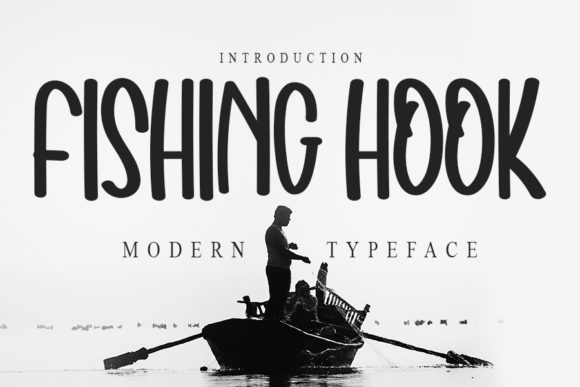
Fishing Hook is a premium font that exudes a playful and approachable vibe. Its bold, handwritten style makes it stand out, while its clean lines and balanced proportions ensure it remains readable and professional. This typeface is perfect for adding a touch of creativity and warmth to any digital project.
Testing Fishing Hook in Real Web Layouts
I decided to test Fishing Hook in a variety of sections of a boutique online store. Here’s how it performed:
- Hero Section: Placing Fishing Hook in the hero section immediately caught the eye. The bold, friendly style made the welcome message feel inviting and engaging. It worked particularly well over an image banner, where the contrast between the font and the background enhanced readability.
- Landing Page Headline: For the landing page headline, Fishing Hook added a unique and memorable touch. The font's distinct personality helped to set the tone for the rest of the page, making it clear that this was a creative and welcoming brand.
- Call-to-Action (CTA) Buttons: Using Fishing Hook for CTA buttons was a bit of an experiment. While it looked great and added a playful element, I found that for smaller buttons, a simpler, more legible font might be better. However, for larger, more prominent CTAs, Fishing Hook worked beautifully.
Readability and Responsive Design
One of the key considerations for any web font is its readability, especially in responsive layouts. Fishing Hook performed well on desktop screens, but I noticed some challenges on mobile devices. To ensure optimal readability, I recommend using Fishing Hook for larger text elements like headings and subheadings, and pairing it with a clean, simple sans serif font for body copy.
For example, in a blog redesign, I used Fishing Hook for the main article titles and a clean sans serif for the article content. This combination not only enhanced the visual appeal but also maintained excellent readability across all devices.
Brand Trust and User Engagement
The right font can significantly impact a user's perception of a brand. Fishing Hook adds a layer of trust and professionalism through its bold and clean design. The friendly, handwritten style also helps to humanize the brand, making it more relatable and engaging for users.
In a coaching website, Fishing Hook was used for the main headings and testimonials. The result was a site that felt both professional and approachable, perfectly aligning with the coach's brand values and mission.
Font Pairing and Web Design Best Practices
When using Fishing Hook in web design, it’s important to consider font pairing. A decorative display font like Fishing Hook works best when paired with a simple, clean font for body text. I recommend using a sans serif font such as Arial or Helvetica, or a modern serif font for a more editorial look.
Additionally, check the included styles, weights, and file formats to ensure you have the flexibility you need. Fishing Hook comes with a range of options, including alternates and ligatures, which can add even more personality to your designs. Make sure to also verify the commercial font licensing before using it on client projects or online stores.
In summary, Fishing Hook is a versatile and visually appealing font that can enhance the look and feel of any web project. Whether you're designing a creative portfolio, a boutique online store, or a coaching website, Fishing Hook offers a unique and engaging way to connect with your audience. Just remember to use it judiciously and pair it with a clean, legible font for the best results.